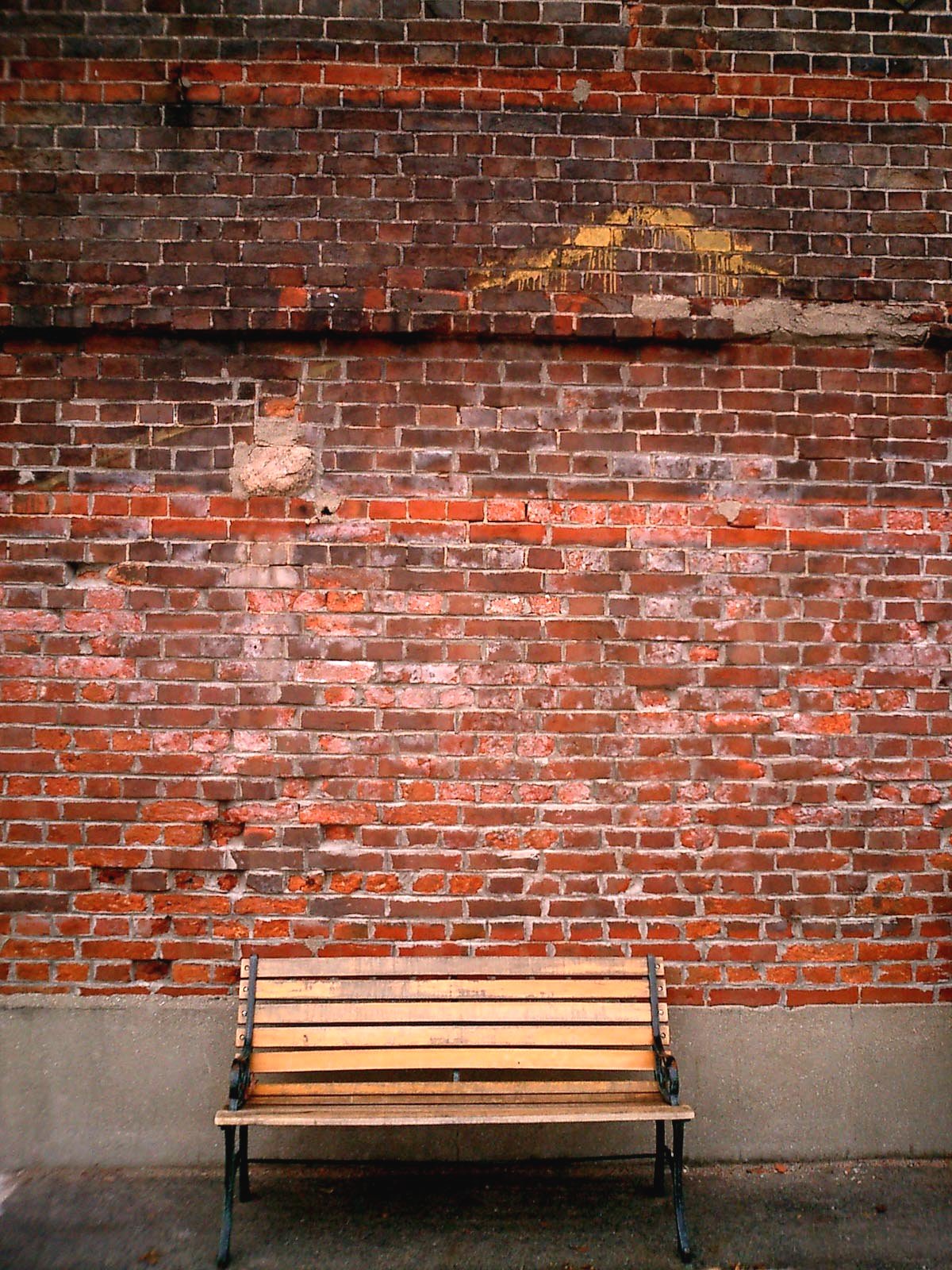
The most common material-related mistake in older building renovation is applying products developed for reinforced concrete or AAC block construction to masonry that was built with lime mortar and solid brick. The two systems behave differently under thermal and moisture cycling, and the consequences of the mismatch – cracking, damp ingress, spalling – appear months or years after the work is done.
Understanding the original construction
Buildings constructed in Poland before approximately 1955 were almost universally built with full solid brick (cegła pełna) set in natural hydraulic lime mortar (wapno hydrauliczne). The wall system is permeable – it absorbs and releases moisture as humidity changes. Cement-based renders and mortars applied to this substrate are less permeable and more rigid, creating a mismatch that forces cracking as the old masonry moves.
Between 1955 and 1990, construction shifted gradually to Portland cement mortars and hollow brick or aerated concrete block (siporex). These substrates tolerate cement-based products without the same compatibility issues, but still require attention to vapour permeability when insulation is added.
Mortars and renders
For pre-war masonry, the repair mortar should match or slightly underperform the strength of the original – typically a lime mortar with a compressive strength of CS II (1.5–5 N/mm²). Using a standard cement mortar (CS IV, 6–12 N/mm²) in the joints of old brick concentrates stress at the brick face, eventually fracturing the brick rather than the joint, which is the intended sacrifice element.
Ready-mixed restoration mortars (zaprawy renowacyjne) for old masonry are available from several Polish manufacturers under national or European technical approval. These are formulated to be highly porous, allowing salt crystals carried by rising damp to form within the render layer rather than at the surface, reducing spalling.
Thermal insulation
Since January 2021, Polish thermal regulation (WT 2021) requires external wall U-values of no more than 0.20 W/(m²·K). A 38 cm solid brick wall without insulation has a U-value of approximately 0.90–1.10 W/(m²·K), depending on mortar quality and internal plaster. Reaching the 0.20 target requires approximately 15–18 cm of expanded polystyrene (EPS) or 12–15 cm of mineral wool in an ETICS (External Thermal Insulation Composite System) arrangement.
For listed buildings or buildings where external insulation is not permitted by the conservation authority, internal insulation (ocieplenie od wewnątrz) using calcium silicate boards or vapour-open mineral boards is a recognised alternative, but requires careful vapour management to avoid interstitial condensation. A condensation risk analysis to EN ISO 13788 is recommended before specifying the system.
Mineral wool (wełna mineralna) is generally preferred over EPS on older masonry because it is vapour-open and non-combustible. EPS is the more common choice because it is cheaper and easier to install, but it should not be used on facades with high vapour load without a professional hygrothermal assessment.
Window and door frames
Pre-war windows were typically single-glazed, wood-framed, and set with relatively wide reveals. Replacing them with modern PVC or aluminium frames with sealed double or triple glazing changes the building's moisture balance significantly: the original window admitted a degree of ventilation through gaps and the frame itself. After replacement, kitchens and bathrooms that previously relied on this background ventilation may develop condensation and mould unless mechanical ventilation is added.
PVC frames have a thermal transmittance of Uf = 1.0–1.3 W/(m²·K), wood-aluminium composite frames range from Uf = 0.8–1.2 W/(m²·K), and timber frames from Uf = 1.2–1.5 W/(m²·K). All three, combined with a triple-glazed unit of Ug ≤ 0.6 W/(m²·K), can meet the Polish requirement of Uw ≤ 0.90 W/(m²·K) for replacement windows in existing buildings.
For heritage-listed buildings, the conservation authority may require that replacement frames replicate the original profile, glazing bar pattern and opening direction. In some cases, secondary glazing fitted inside the existing frame is approved as an alternative that avoids altering the exterior appearance.
Roofing materials
Pre-war roofs in Poland were typically covered with plain clay tiles (dachówka ceramiczna), fibre cement slates, or in some regions zinc or galvanised steel sheets. Replacing any of these with a significantly heavier or lighter material changes the loads on the roof structure, which must be checked by a structural engineer before ordering materials.
Clay and concrete tiles are the most common choice for replacement because they are widely available, durable (50+ years) and accepted by most conservation authorities. Concrete tiles are approximately 25% heavier than comparable clay tiles – relevant if the existing rafters are close to their load limit. Metal roofing (standing seam zinc, steel or copper) is lighter and works well on complex roof geometries, but has a different acoustic character and requires a sealed or semi-sealed roof construction.
Floor systems
Wooden beam-and-board floors (stropy drewniane) are standard in pre-war buildings and require inspection before any additional loads are applied. Beam ends embedded in masonry walls are particularly vulnerable to rot if the wall is damp. If more than 20% of the beam cross-section is degraded, replacement is usually more economical than repair.
Where floor replacement is required, a reinforced concrete slab (płyta żelbetowa) is often chosen for its span capacity and acoustic performance. This adds 3.0–4.5 kN/m² to the load on load-bearing walls and foundations – again requiring structural verification. Dry construction alternatives using steel joists and prefabricated slab elements add less weight and generate less construction moisture.
Related reading: How to Plan a Home Renovation Step by Step · Renovation Permits and Building Regulations in Poland